
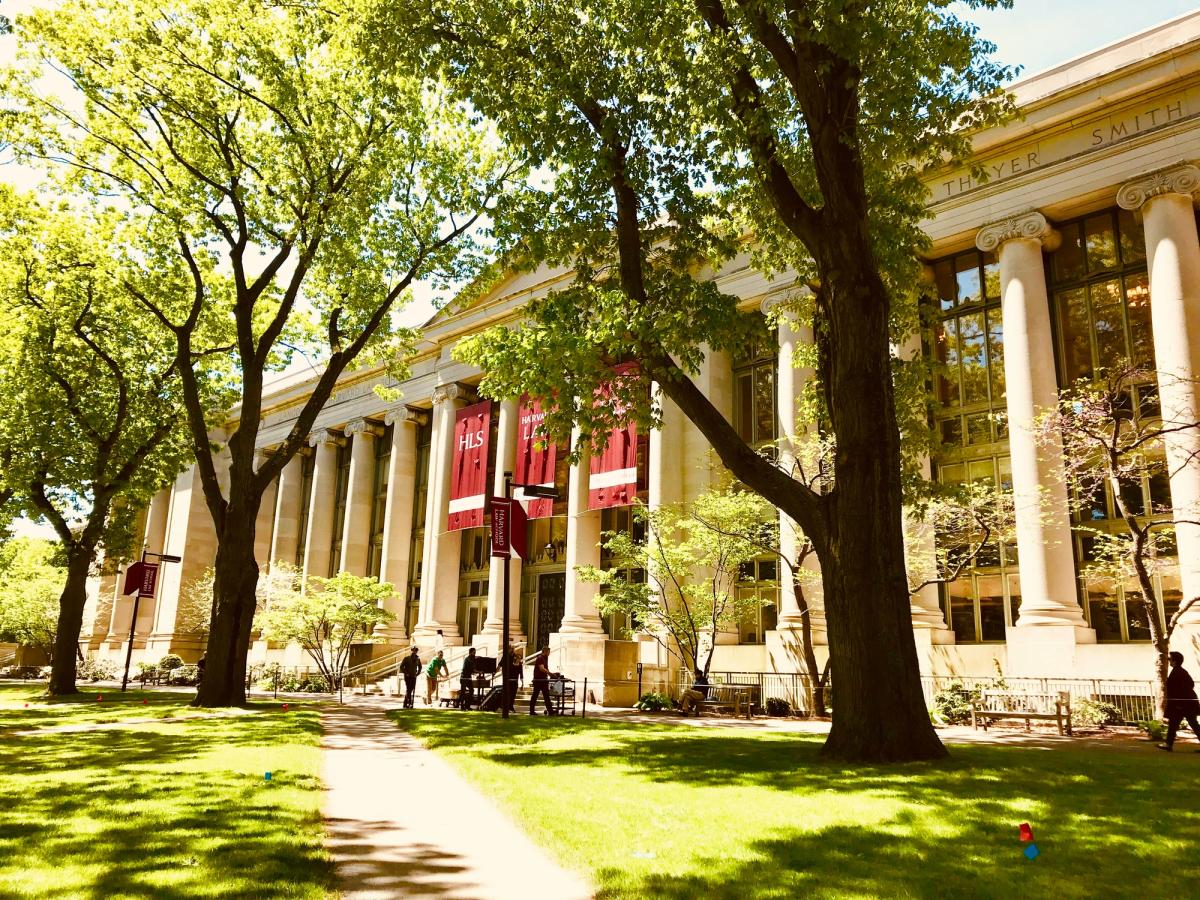
For many, the US college admissions process can feel nuanced and, at times, confusing. Unlike more standardised systems, admission to leading US colleges is about building a complete picture of who a student is and how they will fit within and shape the broader campus environment. College campuses function as dynamic, multifaceted communities that go beyond academics and expect students to play an active role in campus life. Admissions are therefore designed to evaluate students as individuals, taking into account the full context of their achievements, interests, and potential.
While this system offers great opportunity and more flexibility, it can also make the admissions process less predictable, calling for thoughtful preparation and long-term planning.
In this guide, we will cover:
- What “holistic admissions” really means
- How US admissions differs from the UK system
- Components of a strong application
- How the application process unfolds (stages and timelines)
It’s Not Just About Grades
One of the most common misconceptions is that strong academic results alone are enough. While grades and academic rigour are essential, they do not fully capture a student’s potential or how they will engage beyond the classroom. US colleges are not simply selecting the highest achievers on paper; they want to understand how a student thinks, what they care about, and how they might contribute more broadly.
Two students with similar academic profiles may therefore receive very different outcomes.
A Holistic Approach
Although the term “holistic” is widely used, it is sometimes interpreted too loosely, giving the impression of a vague or purely subjective process.
In reality, admissions officers are evaluating a set of distinct components, including:
- Academic performance and course selection
- Personal essays
- Extracurricular involvement and leadership
- Letters of recommendation
- Intellectual curiosity and initiative
What matters is not just strength in each area, but how each works together to tell a cohesive, compelling story about the student. This is where strategy becomes critical: the most effective applications are thoughtfully developed over time, showing a clear trajectory and demonstrating how a student’s academic, personal, and extracurricular experiences combine to prepare them for success in college and in the years that follow.
UK vs US Admissions: Key Differences
For families more familiar with the UK system, there are some key differences to understand:
- UCAS: One application, up to five universities
- US: Separate applications for each institution
- UCAS: Standardised timeline
- US: Multiple deadlines and requirements
Many US colleges use the Common Application (Common App), a centralised platform that allows students to apply to multiple schools through one core application.
However, it is important to understand:
- Each US college still has its own requirements
- Most schools require supplemental essays, questions, or additional materials
- A single application cannot simply be reused without careful attention to each school’s expectations
For families, the key takeaway is that this variation across schools rewards preparation. Familiarising yourself with each school’s deadlines and requirements is essential, as students who begin planning early on are better positioned to present a standout application.
Exploration Before Specialisation
Unlike the UK system, where students apply to a specific course, the first years at an American college are intended as a period of discovery, allowing students to choose the academic path that best aligns with their goals, interests, and strengths.
In the US system:
- Admission is to the university, not to a specific course
- Majors are declared later (typically sophomore year — the second year of college)
- There is greater flexibility to explore subjects early
This approach is consistent across a wide range of institutions, from Ivy League schools like Harvard, Dartmouth, and Princeton to smaller liberal arts colleges such as Williams, Amherst, and Wellesley.
Beyond the Classroom
Perhaps the most unique and often misunderstood feature of US admissions is the emphasis on activities outside the classroom. Extracurricular involvement allows admissions officers to see a fuller picture of who a student is, highlighting qualities such as leadership, initiative, creativity, and resilience. These activities are often strong indicators of how a student will engage in campus life, align with a school’s ethos, and succeed both during their studies and beyond.
A long list of superficial involvements is far less compelling than sustained commitment in a few areas. What matters is depth, consistency, and a clear sense of impact over time. Whether through academic enrichment, creative pursuits, independent projects, or team-based activities, the most compelling profiles reflect authenticity and a clear sense of purpose.
Essays: The Student Behind the Application
Personal essays are a central component of most US college applications. They are not formal academic statements, but rather an opportunity for students to offer insight into who they are beyond their grades and test scores. The main Common Application essay is limited to 650 words, while many colleges also require shorter supplemental responses specific to the institution.
What admissions teams are looking for:
- How a student thinks
- What they value
- How they respond to challenges
- Evidence of growth and reflection
Applicants are encouraged to draw on formative experiences and show how these have shaped their perspective. Unlike the more academically focused personal statements familiar to UK applicants, US essays are more personal, reflective, and narrative in style. Authenticity and self-awareness tend to matter far more than choosing an ostensibly “impressive” topic. Examples of some high performing essays can be found here.
For many international applicants, this is unfamiliar territory. However, essays can play a decisive role in distinguishing one strong candidate from another.
Letters of Recommendation
Letters of recommendation give admissions officers an external perspective on the student. While many are written by teachers, some colleges also accept ‘other’ recommendations (e.g., a coach, employer, or internship supervisor). Compelling letters go beyond confirming academic ability; they offer insight into character, work ethic, and contribution within a learning or working environment. The best letters add specific examples – how a student participates in a classroom, team, or workplace – and provide context that isn’t visible in grades alone.
Stages of the US College Application Process
The admissions journey typically follows a clear set of stages, each building on the last:
- Exploration and Positioning
Research colleges, identify areas of interest, and begin defining a student’s academic and extracurricular direction - Profile Development
Build depth in selected activities, take carefully chosen academic courses, and demonstrate initiative over time - Application Preparation
Finalise college list, draft essays, and prepare application materials - Submission and Deadlines
Submit applications, ensuring all requirements are met - Decisions and Outcomes
Receive offers (typically December–April) and evaluate options before committing
Multiple Timelines, Early Planning
The US college admissions process includes several application rounds: Early Decision, Early Action, Regular Decision, and, at some institutions, Rolling Admissions. Unlike systems with a single national deadline, each school sets its own timeline, and deadlines can vary.
Application rounds:
- Early Decision (ED): Binding application option, typically with November deadlines in the autumn of Year 13; decisions released in mid-December
- Early Action (EA): Non-binding early application option, usually with deadlines in the autumn of Year 13; decisions released between December and February
- Regular Decision (RD): Standard application round, typically with January deadlines in Year 13; decisions released in March–April
- Rolling Admissions: Applications are reviewed as they are received, with decisions released on an ongoing basis
While the process unfolds in stages, it also follows a fairly predictable timeline:
- Autumn (Year 12 / Grade 11): Begin research and preparation; initial campus visits
- Summer: Draft essays, build application strategy, and continue campus visits
- Autumn (Year 13 / Grade 12): Submit Early applications; final campus visits and interviews with admissions officers
- January: Submit Regular Decision applications; interviews continue at some schools
International applicants should also plan for transcript logistics – official documents, English translations where needed, and any school-specific credential evaluation requirements.
A Different Mindset
The US admissions process requires a shift in mindset. Alongside the question, “What grades are needed?”, families should also be asking:
- What are a student’s genuine interests, and how have they been explored over time?
- Where has the student shown initiative, commitment, or leadership?
- How do their academic choices and extracurricular activities connect?
- What kind of environment will allow them to thrive and contribute?
- How is their story developing, and what makes it unique?
Clarity, positioning, and long-term planning are what allow students to stand out in a competitive and complex landscape.
For international families, the US system can feel unfamiliar, but it also offers a unique opportunity for students to be recognised for more than just academic results. We support students through each stage of the admissions journey, helping them understand the nuances of US college admissions and build applications that are thoughtful, well-positioned, and genuinely capture who they are. Understanding how the process works is the first step. Approaching it with insight and strategy is what ultimately makes the difference.